Hyacinth Paul


Artist Statement

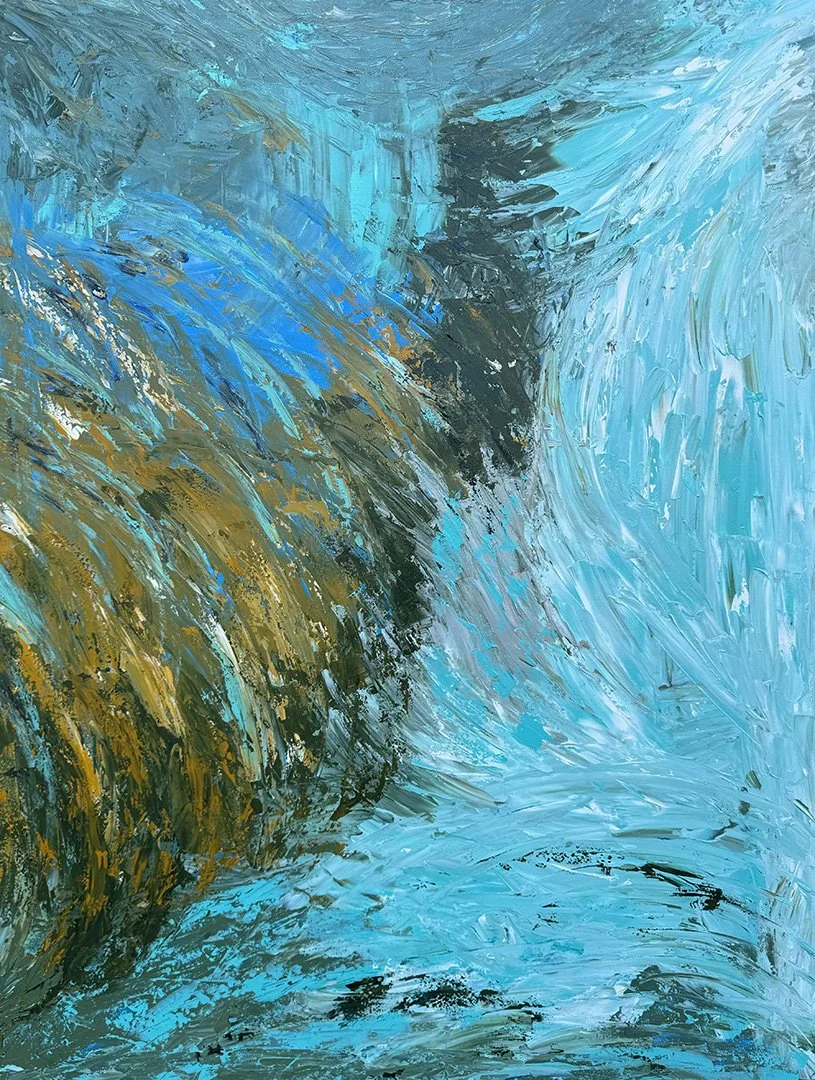
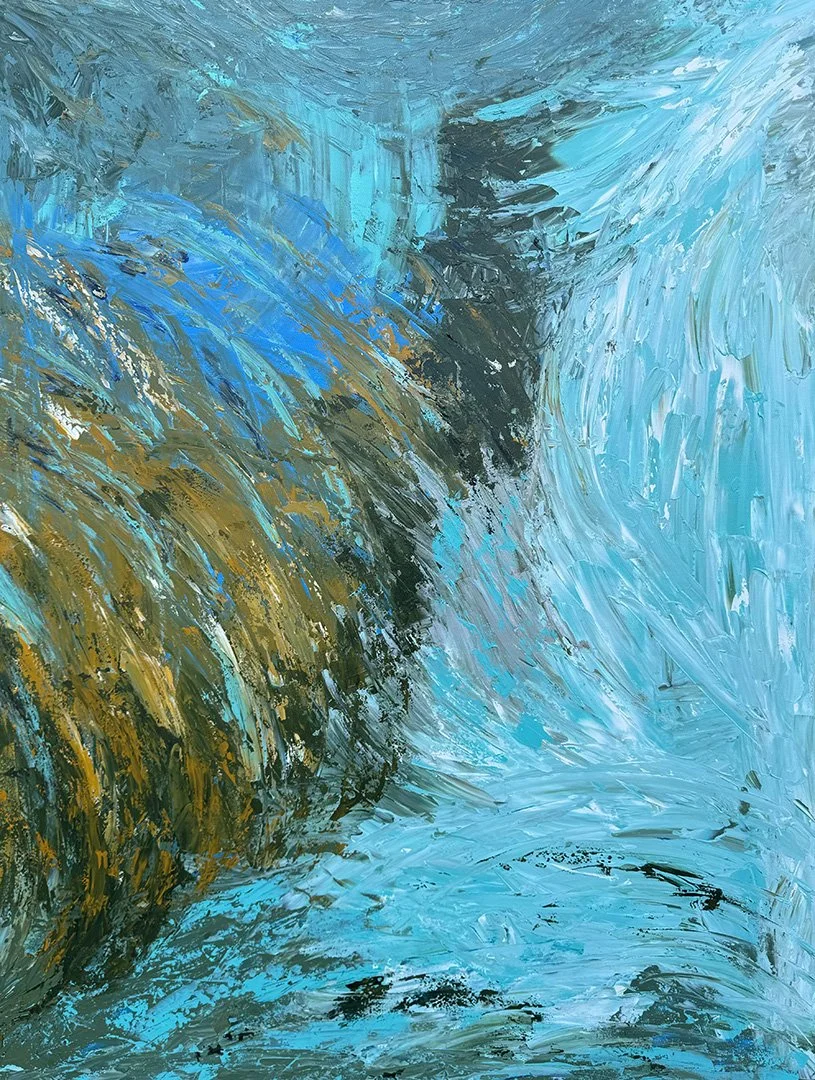
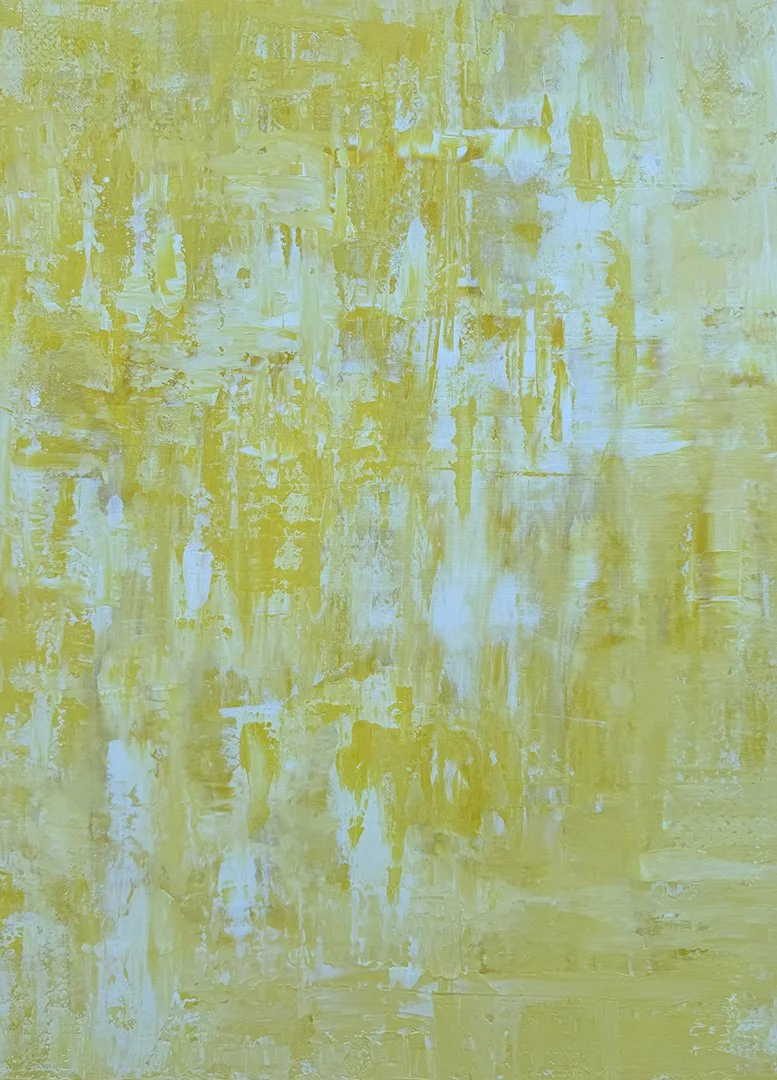
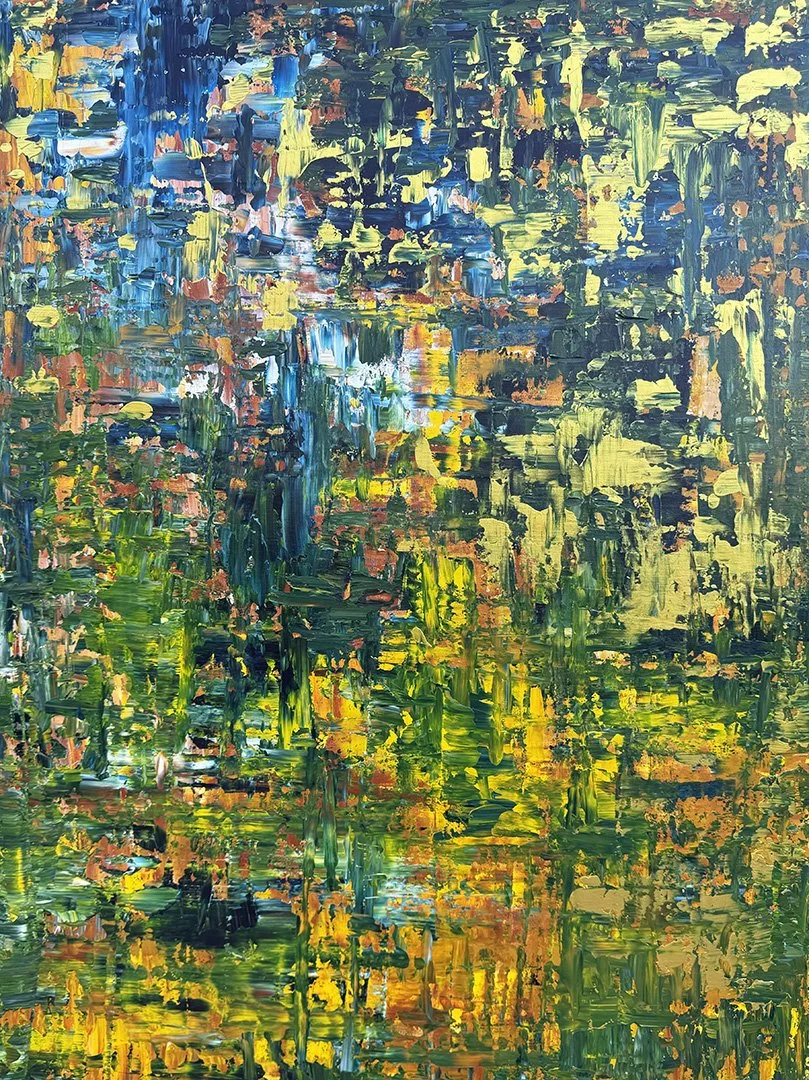
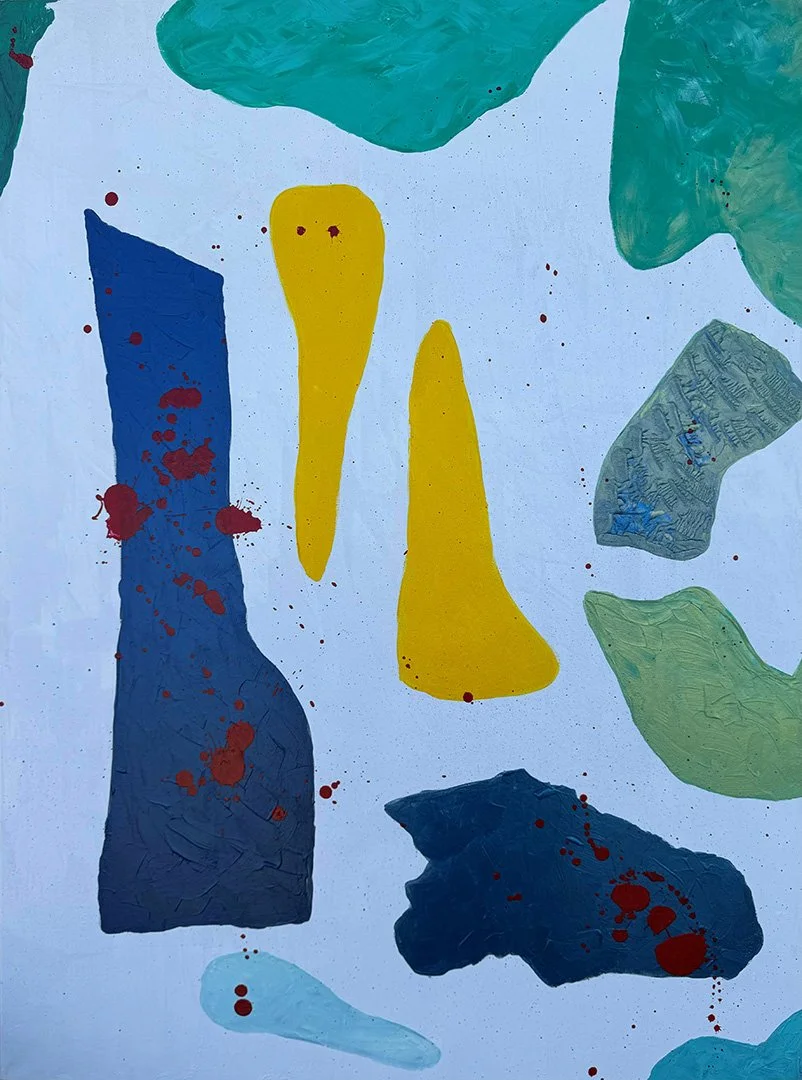
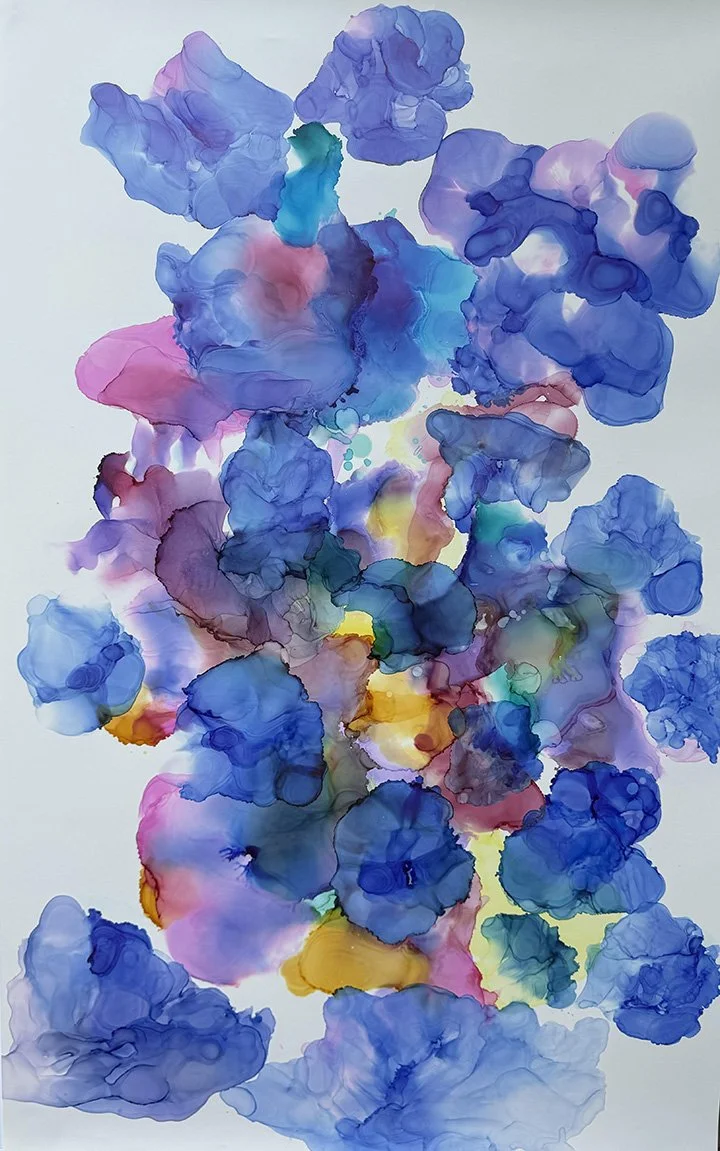
My work explores the relationship between color, memory, migration, belonging, and mental wellbeing. Through painting, participatory textile installations, and community engagement, I investigate how art can preserve personal histories, foster empathy, and deepen our understanding of the human experience.

I came to the United States from India to pursue postdoctoral studies in biochemistry, spending more than two decades as a scientist and educator. When I took to painting at 58, I was struck by the unexpected intensity of color in my work. Looking back, I realized that color had always been my refuge. During difficult periods of my life, I instinctively surrounded myself with vibrant color because it lifted my spirit. That realization led me to a question that continues to shape my practice: Can color influence our emotional wellbeing?

Living with synesthesia, I experience color not simply as something I see, but as something I feel. Certain colors evoke an immediate sense of joy, curiosity, and emotional connection. This personal experience has inspired an ongoing exploration of the relationship between color, perception, and mental wellbeing. My paintings investigate these ideas intuitively, using color as both an emotional language and a means of inviting viewers into moments of reflection, wonder, and possibility.

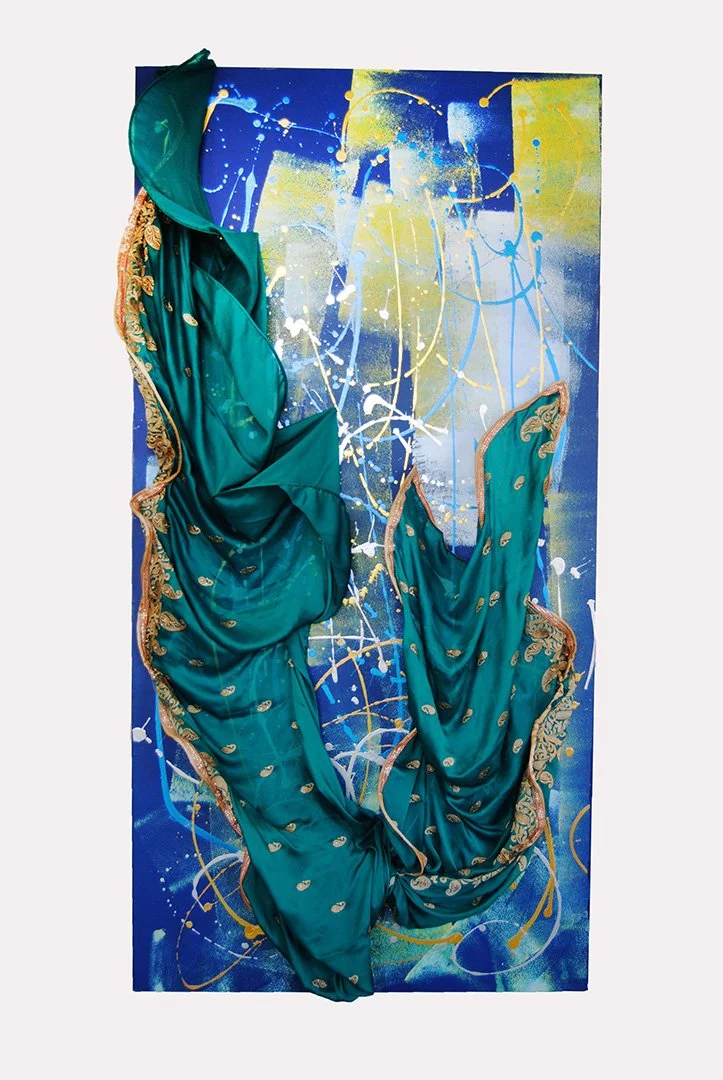
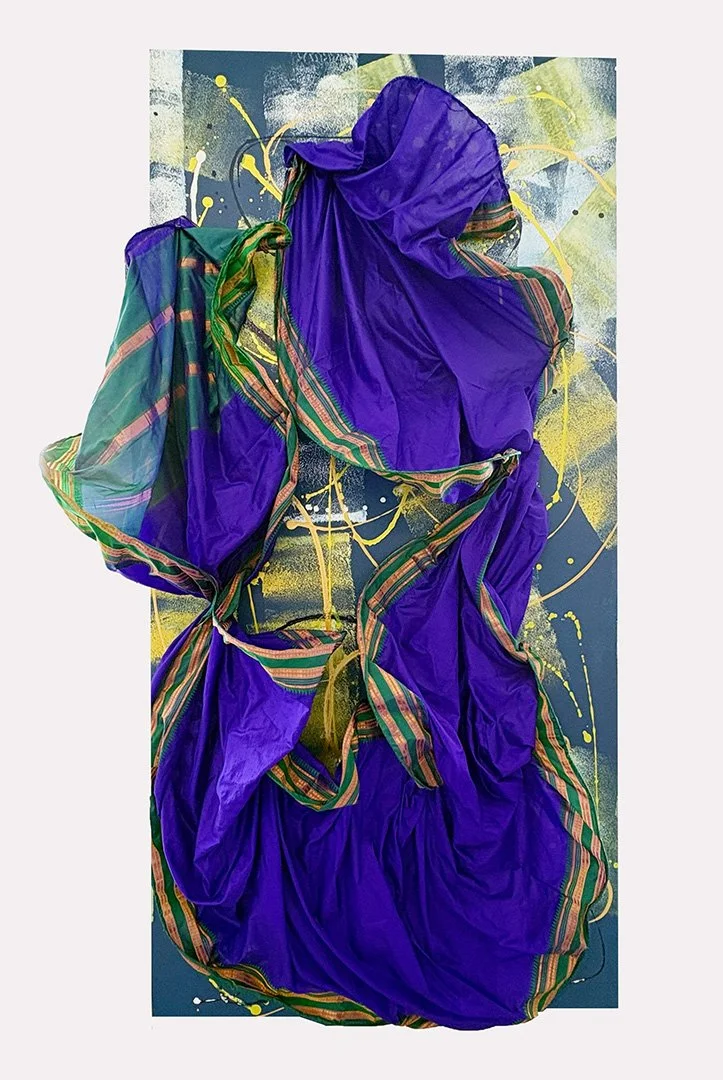
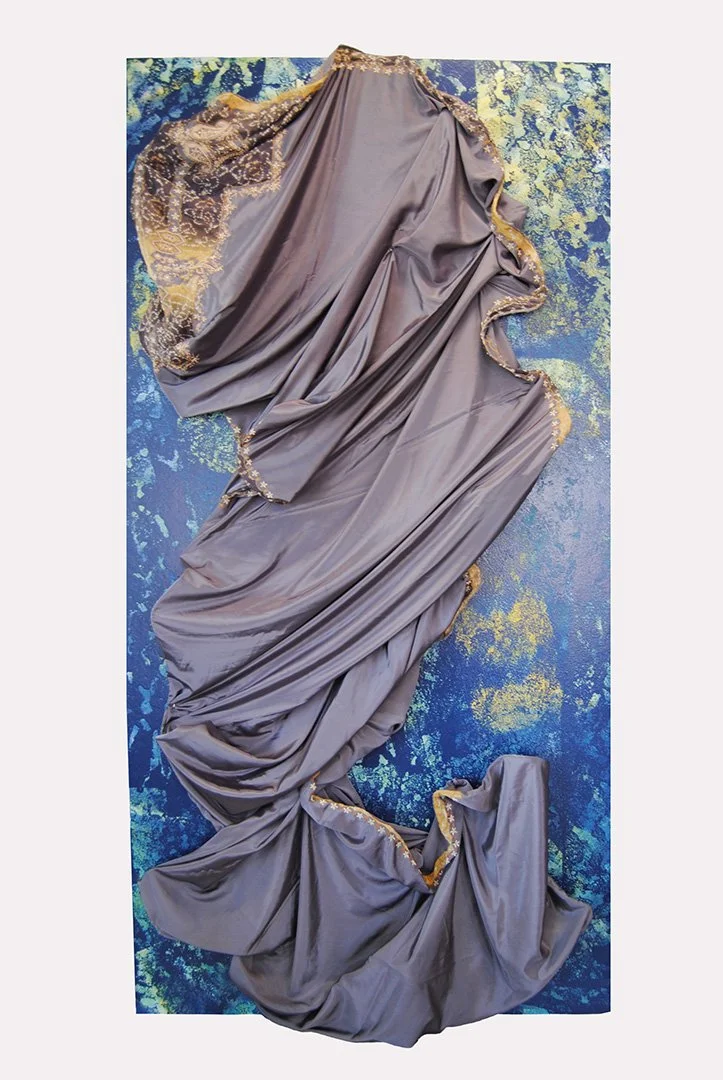
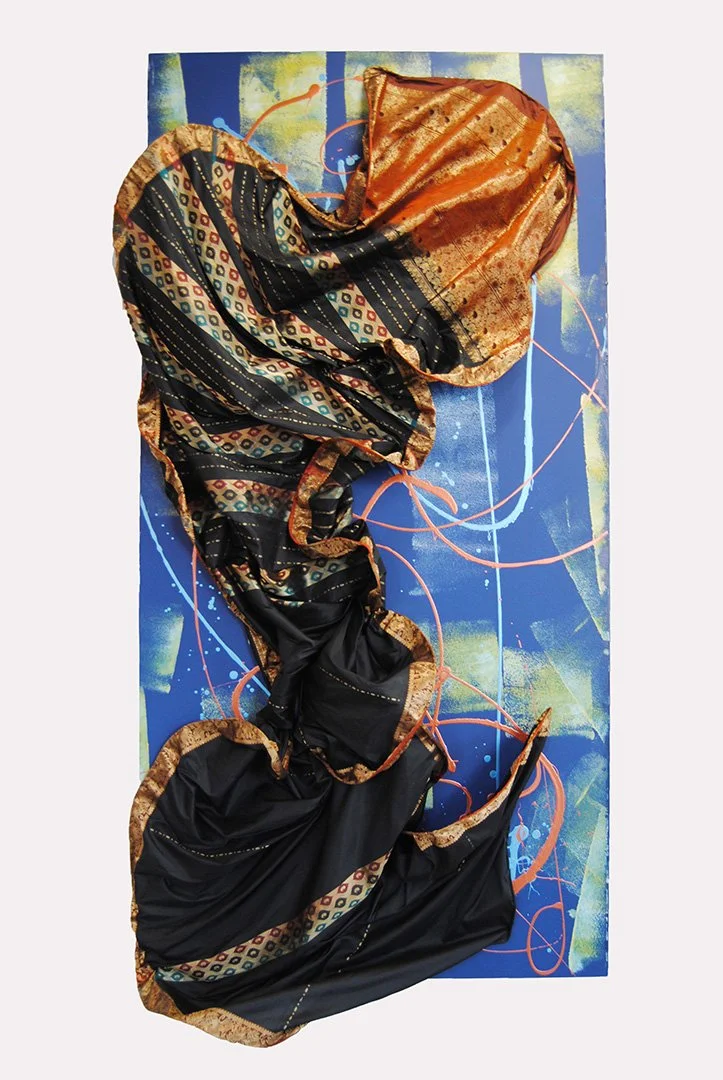
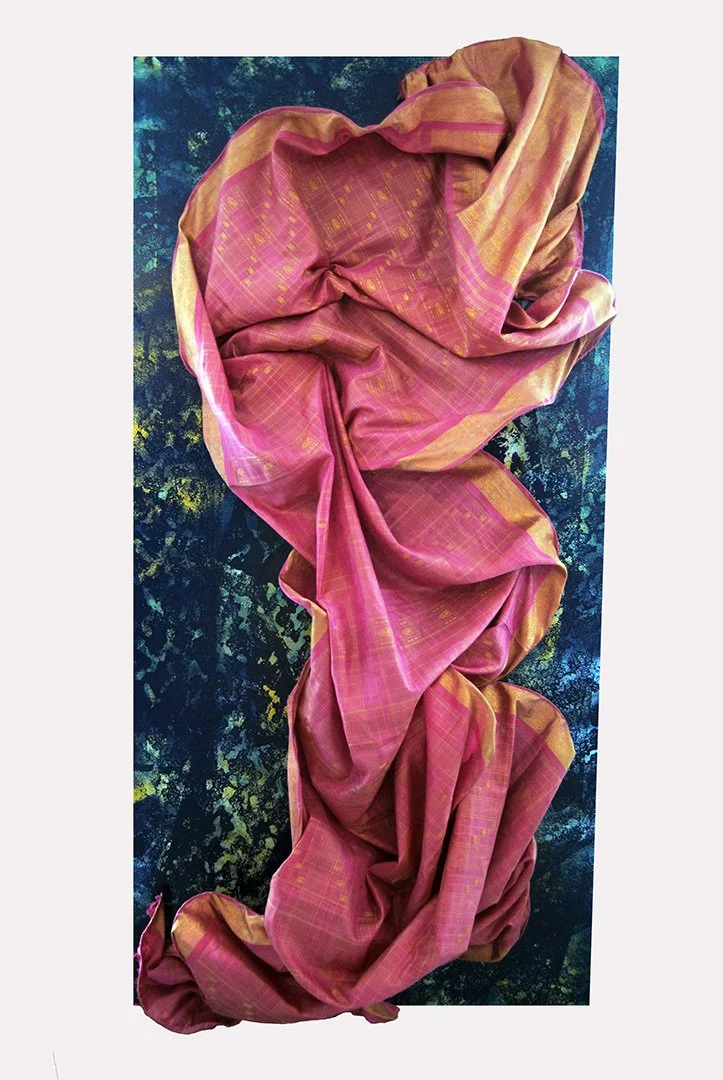
While painting remains central to my practice, my work has evolved beyond the canvas into participatory installations that preserve human stories before they disappear. My ongoing project, Udaan, transforms donated saris and the oral histories of immigrant women into sculptural installations that celebrate resilience, migration, identity, and belonging. Each sari carries the memory of the woman who wore it, becoming both a work of art and a living archive of personal history.

This exploration continues through The Great Banyan Tree, an evolving community installation that invites people from all cultures to contribute stories, traditions, heirlooms, and memories. Together these works examine how individual lives become collective memory and how participation transforms viewers into collaborators.

Across all of my work, whether through painting, textiles, conversation, or community engagement, I seek to make the invisible visible. I am interested in the emotional landscapes that exist beneath everyday experience—the memories we carry, the identities we inherit, the cultures we preserve, and the ways creativity can strengthen our sense of connection to one another.

My scientific background continues to inform my artistic practice. Rather than seeing science and art as separate disciplines, I view them as complementary ways of understanding the world. Science asks how; art asks why. Together they allow me to explore questions that are both measurable and deeply human. I hope my work contributes not only to contemporary conversations about migration, identity, and belonging, but also to a broader dialogue about the role of creativity in emotional wellbeing and the importance of art as a catalyst for empathy, connection, and social change. 

www.HyacinthPaulArt.com


Biography

Dr. Hyacinth Paul is an Artist from Dayton, Ohio.  Paul serves as an Artist in Residence at the Trotwood School District in the year 2023-present, awarded by the Ohio Arts Council.   As a retired scientist and Professor who started her career as an artist later in life, she is now studying how the role of the Arts effect mental health and well-being. 

Paul is also an author of a Children’s book Billy Jean the Cloud and Bill the Hawksbill Turtle.  She started her artistic career by completing over 58 works in the 58th year of her life.  In 2019, Paul was first place recipient of the US Bank Award through the Piqua Arts Council and in 2020 she awarded a grant to study Plein Aire painting at Provence and Barcelona by the Montgomery County Arts and Cultural District. With over fifty solo and group exhibitions, she currently showcases her work in Dayton with gallery representation and a significant online presence. 

Paul also curates art for sale and sold artworks of her peers as well as her own.  She has served on several boards in her community. As a strong advocate for the Arts and Mental Health, she continues to educate through talks and art classes to a varied section of society, both young and old.