Biography
Sheila Smith is a New York-based photographer whose interest in photography began at age thirteen with a Brownie box camera. Her early photographs documented everyday moments and established a lifelong interest in the camera as a means of observation.
During the 1960s, Smith worked as secretary to the creative director of Columbia Records, where she was given responsibility for reviewing photographers’ portfolios for potential assignments. Through this experience, she encountered the work of influential photographers including Gary Winogrand, Lee Friedlander, and Gordon Parks.
Smith went on to study advertising concept and design at the School of Visual Arts and became an art director, continuing to work closely with leading photographers, including Richard Avedon. She later studied photography at The New School while also pursuing drawing and painting at the Art Students League.
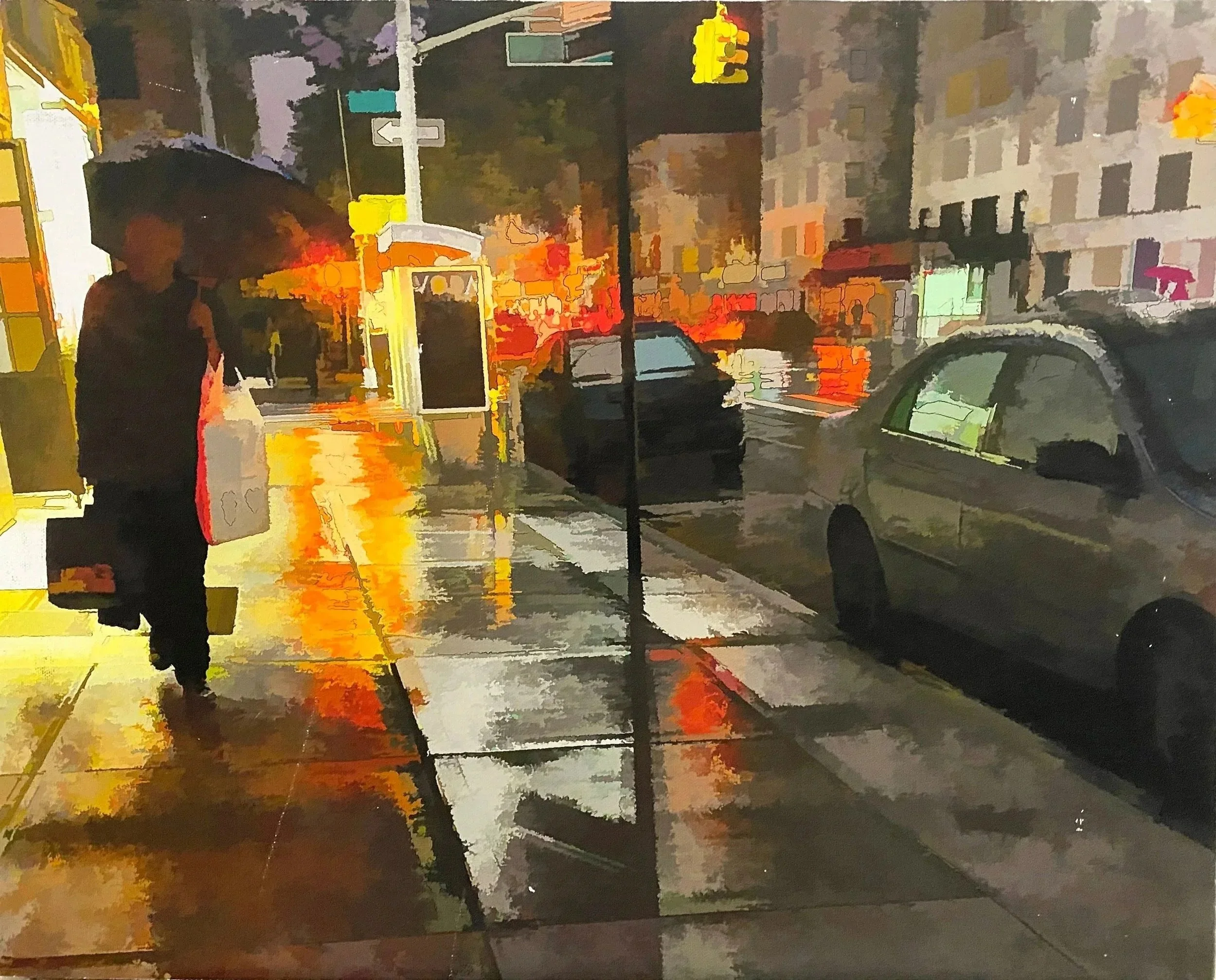
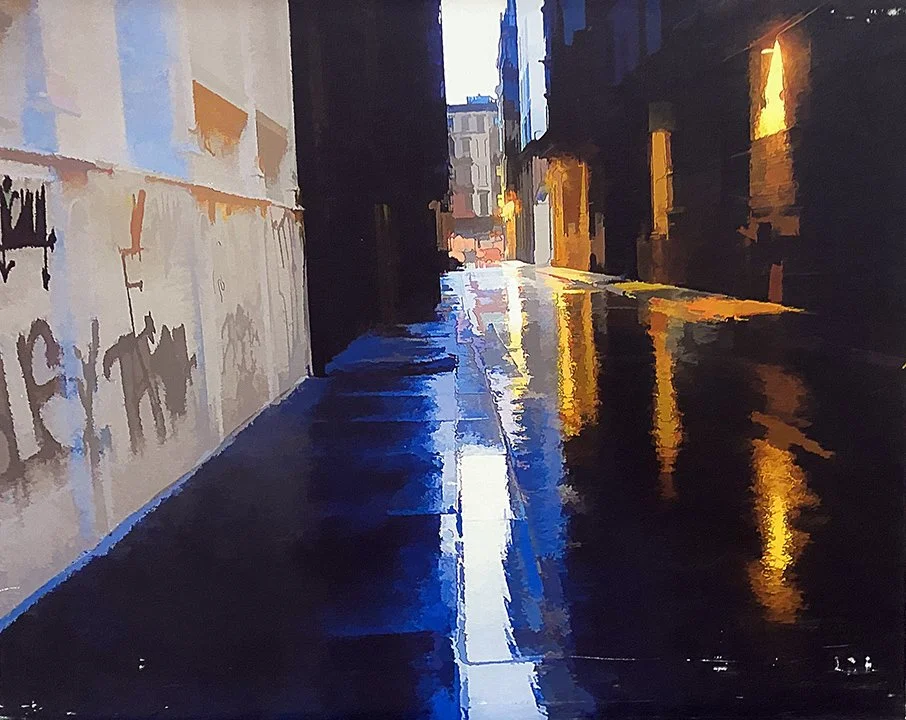
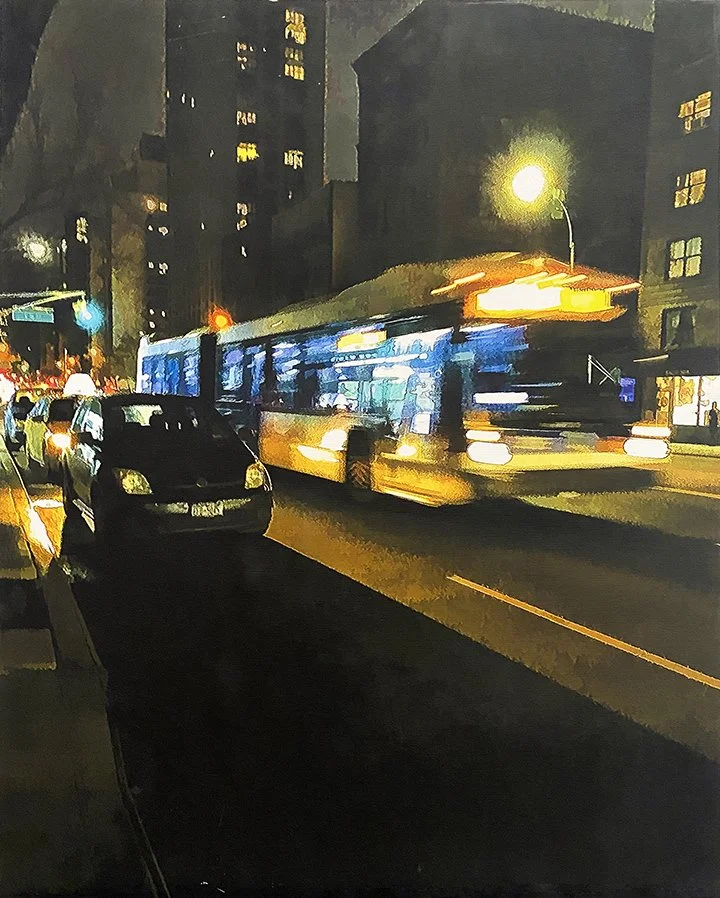
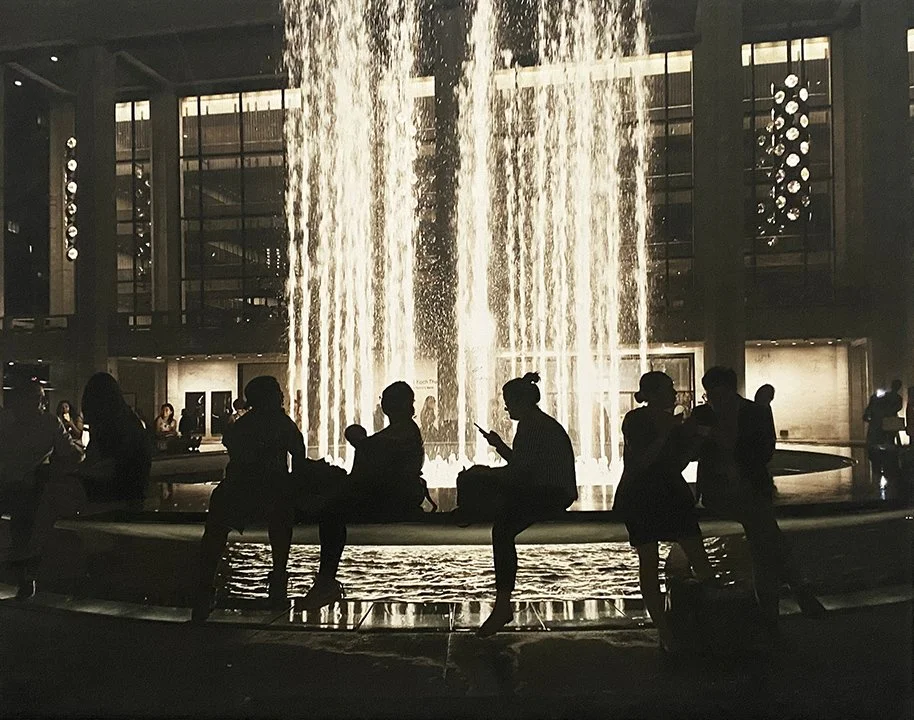
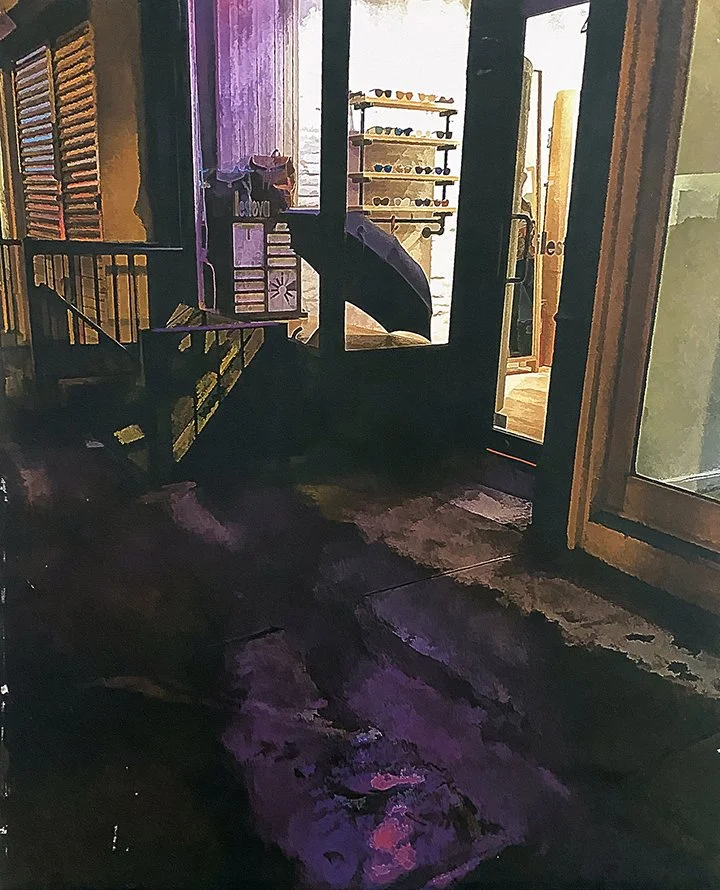
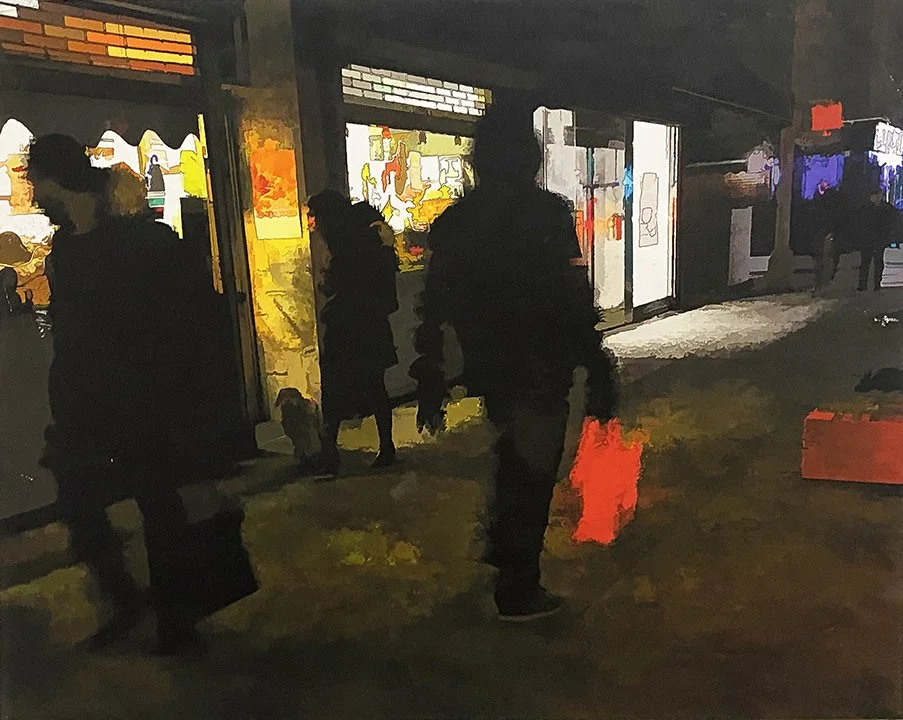
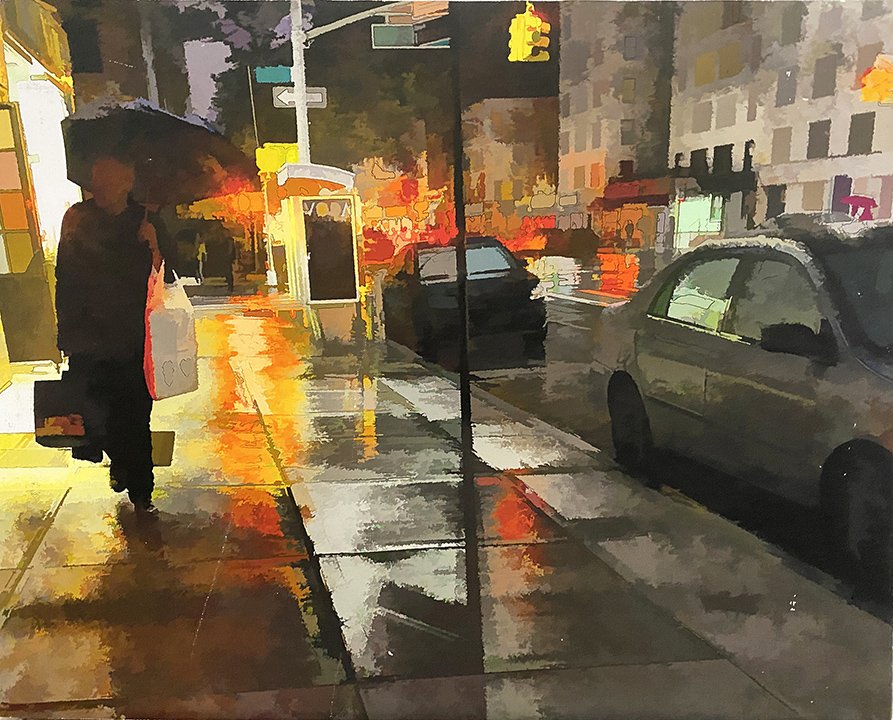
Although she painted for many years, Smith continued photographing and eventually devoted herself to photography full time in 1997. Her practice now encompasses portraits, urban photography, travel, flowers, still lifes, dancers, children, and images of discarded objects.
Working digitally, Smith treats the computer as a contemporary darkroom, using Photoshop as an integral part of her creative process. Her photographs of trash viewed through plastic bags and waste disposal baskets extend her interest toward overlooked subjects and unexpected perspectives.